
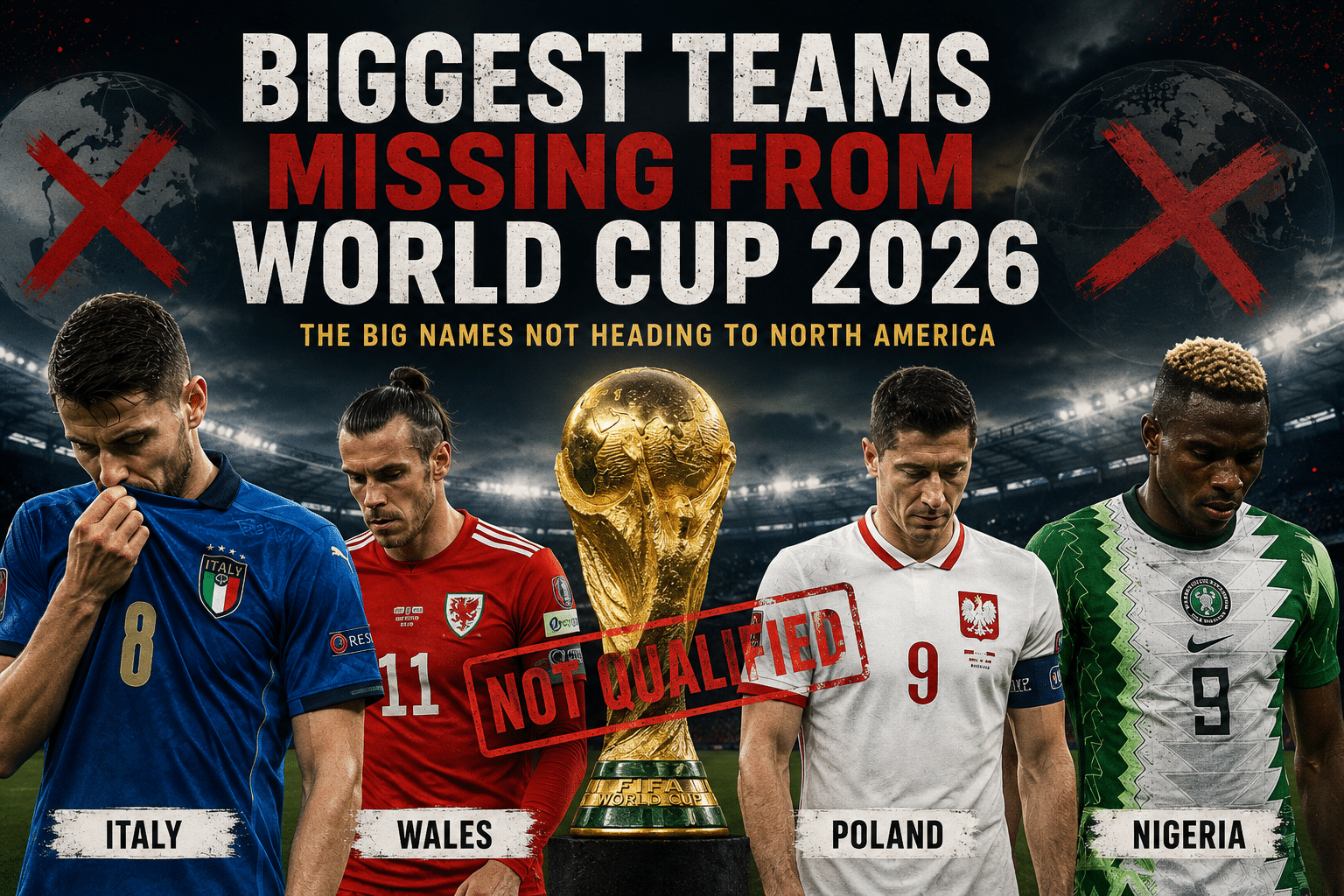
The FIFA Football World Cup qualification is a process to determine the 45 countries that will join hosts Canada, Mexico, and the United States in the 2026 FIFA World Cup.
The qualification process involves various confederations, including UEFA, CONMEBOL, CAF, AFC, and OFC, with each having its own qualification format. The process typically begins with a draw, where teams are drawn into groups or pairings for the first round.
The FIFA Football World Cup qualification process is a long and competitive journey, with many countries vying for a spot in the world’s most prestigious football tournament. The confederations are responsible for organising the qualification process and ensuring fair play.
The first round marks the beginning of the Football World Cup Qualification journey for many countries, with matches that began as early as 2023.

The qualification process for the 2026 FIFA World Cup is a multi-stage journey that brings together national teams from around the globe. Each confederation organises its own series of matches played in groups of four or five teams, with fixtures arranged in a home-and-away format.
Throughout these rounds, teams compete fiercely, aiming to finish as group winners or runners-up to advance further in the World Cup qualification stage. The matches played during this phase are crucial, as only the top teams from each group qualify directly for the tournament or move on to the next round.
The structure of the Football World Cup qualification process is designed to determine the strongest teams, with every point earned in these matches potentially making the difference between qualifying for the FIFA World Cup or missing out. As the rounds progress, the competition intensifies, and the dream of playing in the world’s most prestigious football tournament comes closer to reality for the teams that advance.

Open Account Offer: Bet £10 Get £30 in Free Bets
Min Deposit: £5 – Expiry: 30 days – Min Odds: 1/5 (1.20)
← CLICK TO COPY
The European qualification for the 2026 FIFA World Cup features 54 competing nations drawn into 12 groups, each consisting of four or five teams. The group winners qualify directly for the World Cup, while the runners-up advance to the UEFA playoff system for a chance to secure one of the remaining spots.
Here is the breakdown of the groups and the teams competing in each (Qualified teams shown in bold, playoff qualifiers in italics):
These groups will play home-and-away matches throughout 2025, with the top teams advancing as per the qualification rules. The competition is intense, with many strong teams vying for the limited World Cup spots allocated to Europe.
The teams play each other in a home-and-away format, with the group winners qualifying directly for the World Cup. In other confederations, the qualification process may involve nine groups, six groups, three groups, or two groups, depending on the region.
The runners-up in each group will enter the UEFA playoff system, where they will compete for the remaining World Cup spots. The playoffs may feature four teams competing for two winners who will advance to the finals. The third round of qualification and the first games of each group are crucial in deciding which teams will progress.

In South America, the road to the FIFA World Cup is one of the most challenging in international football. The qualification phase features 10 national teams competing in a league format, where each team plays every other team twice—once at home and once away.
This double-round robin system ensures that all teams face each other in a true test of consistency and skill. At the end of the qualifying league, the six teams with the highest points totals qualify directly for the World Cup, while the team finishing in seventh place enters the inter-confederation playoffs for another chance to reach the finals.
The South American qualification process is renowned for its intensity, with powerhouse teams like Brazil, Argentina, and Uruguay battling for a place in the tournament. Every match in this phase is vital, as teams strive to accumulate enough points to secure their spot and represent South America on the world stage.
The qualified teams for the World Cup from South America are already known with Argentina, Brazil, Uruguay, Colombia, Ecuador and Paraguay all reaching the finals. Bolivia finished seventh and will be one of the seeded teams in the Interconfederation Playoffs in March 2026.
Similar qualifying campaigns are underway in Africa, Asia, Oceania, and Central America.
The journey to the FIFA World Cup is a demanding and exhilarating adventure for national teams worldwide. The road begins years before the tournament itself, as teams prepare through friendly matches and regional competitions, building their squads and strategies for the qualifying campaign.
The 42 teams confirmed as qualifying for the finals next summer (as of 19th November) include:
With two teams qualifying from the interconfederational World Cup Finals playoffs, four from the UEFA Playoffs, alongside the three hosts and 39 qualifying spots above, this means that there are now just six Football World Cup Qualification places available as of the 19th November 2025.
There are two of the remaining six spots open for the six teams that qualified for the intercontinental playoffs to be held in Mexico in March 2026.
They are – Bolivia, Iraq, Democratic Republic of Congo, New Caledonia, Jamaica and Suriname.
The six teams will be drawn into one of two paths, with one semi-final and a team seeded into the final. Both matches are played within a few days of each other in late March 2026.
As the two highest-ranked teams in the FIFA rankings, Iraq have been seeded as the top team in path one, with the Democratic Republic of Congo the top seed in path two.
The draw was made on the 20th November 2025.
Sixteen teams from UEFA, the 12 Group Runners Up, plus the top four ranking teams from the Nations League that have not qualified as a Group Winner, or for the playoffs as a Group Runner Up, enter the UEFA playoffs to decide the final four spots from Europe.
The teams qualified have been placed in the following pots based on current FIFA ranking:
The draw for the playoffs will be made on Thursday 20th November. Teams in Pot 1 will be drawn against a team from Pot 4 for one semi-final, while teams from Pot 2 will be drawn against a team from Pot 3.
The draws produced the following pathways to the World Cup.
The draw for the UEFA Playoffs and final venue and Intercontinental Playoffs were made on the 20th November 2025.
With the qualifiers now over, only the playoffs remain as the final hope for teams that have not yet qualified for next summer's FIFA World Cup. For those who qualify, the World Cup represents the pinnacle of achievement, offering the chance to compete against the best teams on the planet.
The road to the World Cup is filled with challenges, but for the teams that succeed, it is a journey that brings national pride and the opportunity to make history on the global stage.
This draw has been made for the 2026 FIFA World Cup and the following groups have been decided. The final six positions will be decided after the playoffs in March.
The groups will be updated in March 2026 after the UEFA and Intercontinental playoffs have been played.
18+ Always remember to gamble responsibly. Check out bet365’s Safer Gambling page for more details or go to GambleAware.org for advice, tools and support.
#AD Bonus Referrer Code is an affiliate of the brands we promote throughout this site. While we strive to maintain accuracy throughout our content, we do receive compensation for this promotion.
Check out our Premier League Scoreboard – A look back at the key results and games from the last Premier League weekend!
Predict your way to a prize of up to a £250,000 on bet365 6 Scores Challenge game!
Check out the top betting tips for Champions League Matchday 8 for all six English teams participating.
bet365 UCL Tournament Challenge – Get the lowdown on this free to play UCL game at bet365!





Worried about your gambling? When the fun stops – STOP!
